Wiring Requirements for Split vs Ducted Air Conditioning
When most people are choosing between a split system and ducted air conditioning, the conversation tends to focus on cost, coverage and comfort. The electrical side of the decision — what each system actually requires from your home's wiring, circuits and switchboard — is often an afterthought. But understanding the electrical requirements before you commit to a system can save you from unexpected costs during installation and help you make a choice that suits your home's existing infrastructure.
The wiring differences between split and ducted systems are more significant than many homeowners expect. Split systems are generally simpler to accommodate electrically, but they still require licensed installation and the right circuit capacity. Ducted systems are a different proposition entirely — they draw more power, need dedicated high-capacity circuits and often prompt a switchboard assessment before anything else happens. Whether you're upgrading an existing system or planning a new installation, knowing what's involved on the electrical side puts you in a better position before the first conversation with an AC electrician in Alice Springs or wherever your property is located.
Split System Air Conditioners Have Simpler Wiring Needs — But Still Require a Licensed Electrician
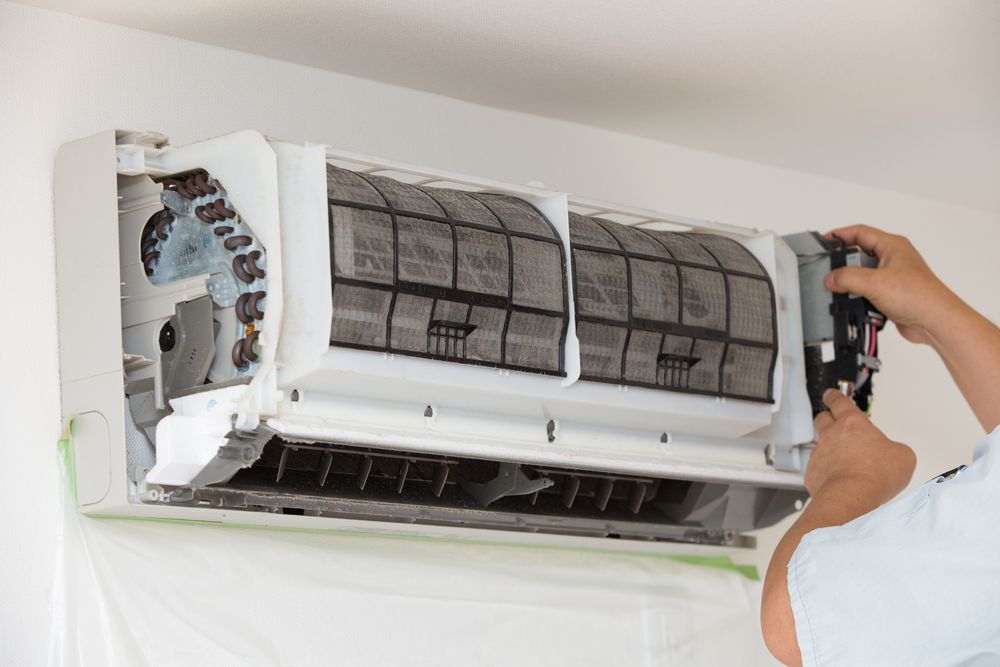
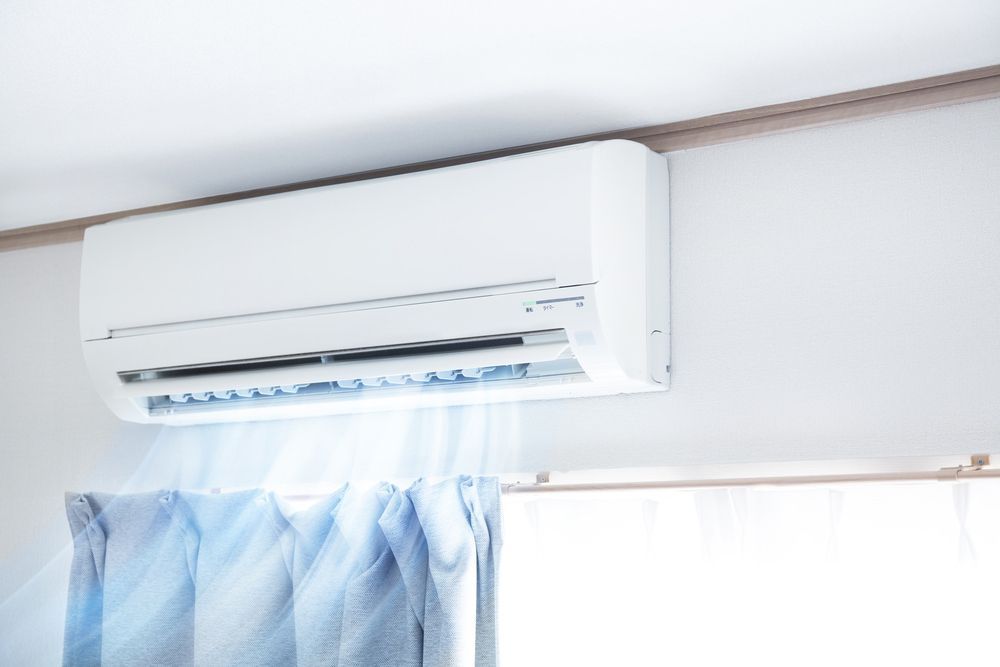
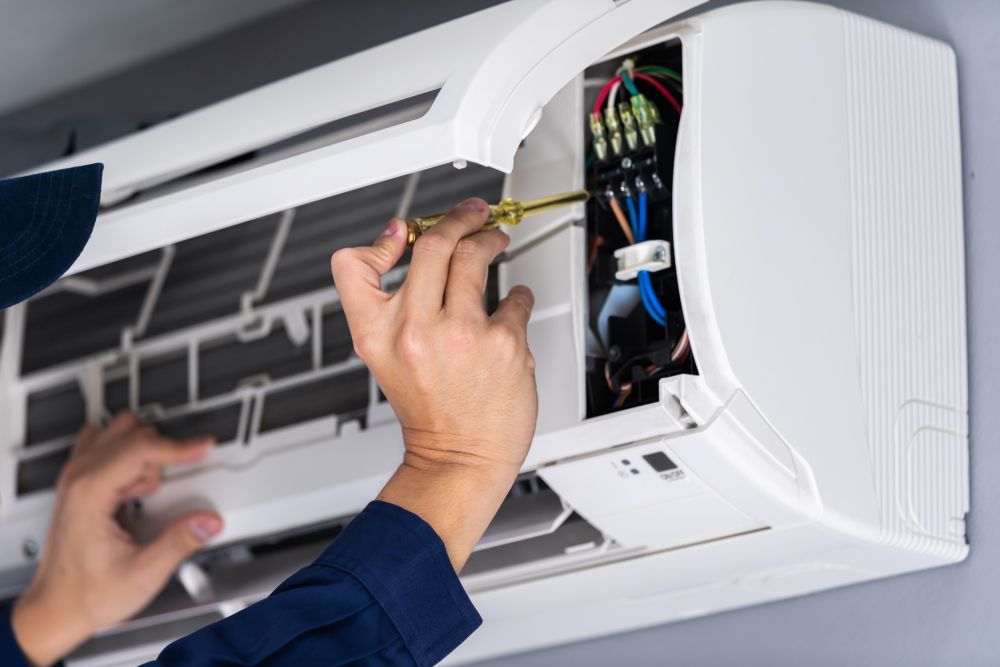
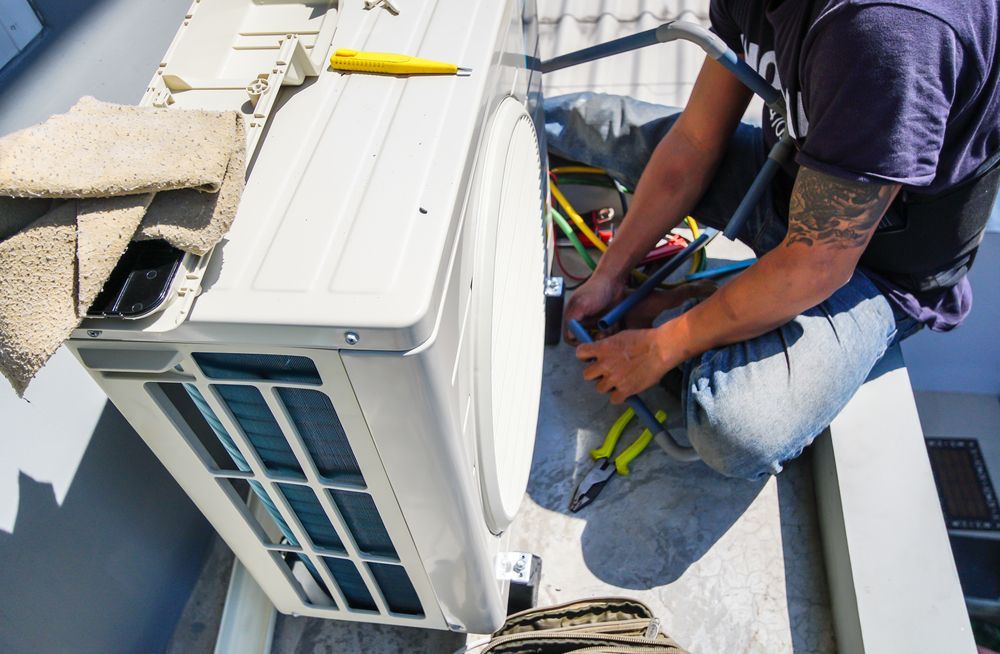
A split system air conditioner consists of an indoor unit and an outdoor compressor connected by refrigerant lines and an electrical cable. For most residential split systems, the electrical requirement is a dedicated 240-volt circuit running from the switchboard to the outdoor unit, with a separate connection to the indoor head unit. The circuit is typically rated at 15 to 20 amps depending on the unit's capacity, which is well within the range of standard domestic wiring in most homes.
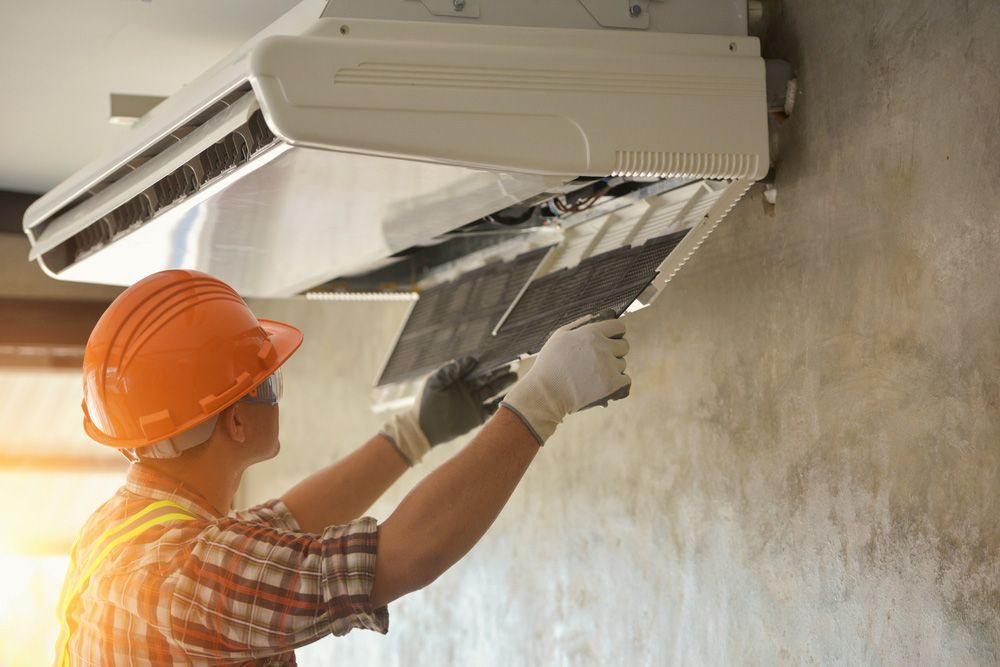
The simplicity of this setup is one of the reasons split systems are popular — the electrical work involved in a single-room installation is relatively contained and doesn't usually require significant changes to the existing switchboard. That said, the work must still be carried out by a licensed electrician. The connection of air conditioning equipment to the mains supply is classified as electrical work under Australian law and cannot be performed by the homeowner or a refrigeration technician working outside their licence scope. The electrical installation also needs to comply with AS/NZS 3000 and any relevant state wiring rules, which a licensed electrician will apply as a matter of course.
Ducted Air Conditioning Demands a Different Level of Electrical Planning
Ducted air conditioning systems heat or cool an entire home through a network of ducts and vents connected to a single central unit. The electrical demands of that central unit, which must generate enough capacity to manage the thermal load of multiple rooms simultaneously, are substantially higher than those of a single split system. Most residential ducted systems operate on a three-phase or high-capacity single-phase supply and require dedicated circuits rated at 20 to 32 amps or higher, depending on the system's kilowatt output.
This distinction has practical implications for the installation process. A ducted system cannot simply be connected to a spare circuit on an existing switchboard without first confirming that the switchboard has the capacity to accommodate the additional load. In many cases, particularly in older homes, a switchboard upgrade is required before a ducted system can be safely installed. The electrical planning for a ducted installation should begin well before the system is purchased, not after, because the infrastructure requirements can affect both the timeline and the overall cost of the project.
What a Switchboard Assessment Reveals Before Installation Begins
A switchboard assessment is a standard starting point for any significant air conditioning installation, but it's particularly important for ducted systems. The assessment establishes whether the existing switchboard can safely support the additional electrical load the new system will place on it, and whether the safety devices — circuit breakers and residual current devices — are present, correctly rated and in good working order.
Older switchboards with ceramic fuses, or those that have been incrementally expanded without a formal review, may not be equipped to handle a modern ducted system without some level of upgrade. The assessment also looks at the available circuit capacity — whether spare circuit positions exist for the new dedicated circuit, or whether the switchboard needs to be replaced or expanded to accommodate it. Common findings from a switchboard assessment ahead of an AC installation include:
- Insufficient spare capacity for a dedicated high-amperage circuit
- Outdated fusing that should be replaced with modern circuit breakers
- Absence of residual current devices on circuits that require them under current standards
- A main switch or service fuse rated below the total anticipated load of the upgraded system
- Switchboard condition issues that make adding new circuits unsafe without remediation first
How Circuit Sizing Differs Between Split and Ducted Systems
Circuit sizing, the amperage rating of the circuit breaker and the cable gauge used to run the circuit, is determined by the electrical load the connected equipment will draw under normal operating conditions. Getting this right matters for both safety and performance. An undersized circuit will trip repeatedly under normal use; an incorrectly specified cable can overheat if it's carrying more current than its insulation rating allows.
For split systems, the circuit sizing is typically straightforward to determine from the unit's specification sheet, which lists the maximum current draw and the required circuit protection. A 2.5 to 3.5 kilowatt split system will generally require a 15-amp circuit; larger units will require 20 amps. Ducted systems involve more variables as the compressor start-up current, the air handler motor and any ancillary equipment such as zone controllers all contribute to the total load. The circuit for a ducted system must be sized for the maximum total draw of all connected components, not just the compressor rating listed on the outdoor unit. An air conditioning electrician in Alice Springs or any licensed installer will calculate this load before specifying the cable and protection device for the dedicated circuit.
Running New Circuits Through an Existing Home Comes With Its Own Set of Challenges
Installing a dedicated circuit for air conditioning in a new build is straightforward, as conduit and cabling can simply be run during the construction phase before walls are closed. In an existing home, getting cable from the switchboard to the indoor and outdoor unit locations requires routing through walls, ceiling cavities and sometimes under floors, working around existing structure, insulation and other services already in place.
The route the cable takes affects both the installation time and the material cost, and some routes are more practical than others depending on the home's construction type. Brick veneer, double brick and concrete slab construction all present different challenges for cable routing compared to lightweight timber-framed homes with accessible roof cavities. Relevant considerations when planning circuit runs in an existing home include:
- Whether the ceiling cavity provides a practical path between the switchboard and the outdoor unit location
- The wall construction type and whether surface-mounted conduit is required in some sections
- The distance of the run, which affects cable sizing due to voltage drop over longer distances
- Whether the outdoor unit is located on the opposite side of the home from the switchboard
- Access requirements for inspection and any future maintenance of the cable run
Dedicated Circuits Are Required — and Sharing One Is Not a Shortcut Worth Taking
Air conditioning equipment, whether split or ducted, must be connected to a dedicated circuit. A dedicated circuit serves only the air conditioning equipment and nothing else, which means the circuit breaker for that circuit protects only the AC load. This is a wiring rules requirement, not a preference, and it exists for good reason.
Air conditioning compressors draw a significant start-up current, typically three to five times the normal running current, every time the compressor cycles on. If that start-up surge is sharing a circuit with other equipment, it can cause voltage dips that affect other devices, nuisance tripping of the circuit breaker and accelerated wear on the protection device over time. In a worst-case scenario, sharing a circuit with equipment that has its own high current demand creates a genuine overloading risk. The requirement for a dedicated circuit applies regardless of the system type or capacity — a small split system still needs its own circuit, and a ducted system most certainly does.
Air Conditioning in Extreme Climates Places Additional Demands on Electrical Installations
In regions where air conditioning runs for the majority of the year rather than intermittently during a season, the electrical infrastructure supporting it is under sustained load for extended periods. This sustained demand has implications for how circuits are sized, how switchboards are maintained and how quickly wiring faults or degradation can develop compared to systems used only occasionally.
Continuous or near-continuous operation accelerates wear on circuit protection devices, connection points and cable terminations in ways that periodic use does not. Connections that are adequate for intermittent use may develop resistance over time under sustained current flow, which generates heat at the termination point and creates a fault risk that periodic inspection can identify before it becomes a problem. For homeowners in hot climates where air conditioning is essentially a year-round necessity, the following electrical maintenance considerations are worth being aware of:
- Annual inspection of the switchboard and AC circuit connections, particularly at the start of the heavy-use season
- Monitoring for signs of nuisance tripping, which can indicate a circuit operating close to its rated limit under sustained load
- Checking that outdoor unit disconnect switches are accessible and functioning, as these are required for safe maintenance access
- Ensuring cable routes through roof cavities are clear of insulation contact where the cable rating requires it
- Testing of residual current devices on a regular basis to confirm they operate correctly
What to Expect When a Licensed Electrician Quotes an Air Conditioning Installation
Understanding what an electrical quote for an air conditioning installation should include helps homeowners evaluate what they're being offered and ask the right questions. A quote that covers only the connection of the indoor and outdoor units without addressing the circuit, switchboard capacity or compliance inspection is incomplete, and may result in additional costs surfacing after the work begins.
A thorough electrical quote for an AC installation should address the full scope of work required to connect the system safely and compliantly. Key elements that should be covered or at least assessed as part of the quoting process include:
- Switchboard assessment and any upgrade or remediation work identified
- Dedicated circuit installation including cable, conduit and circuit protection device
- Isolation switch installation at the outdoor unit as required by wiring rules
- Cable routing plan through the existing structure with any practical constraints noted
- Compliance certification on completion confirming the work meets current wiring standards
- Any additional work identified during the assessment that affects the safe installation of the system
Get in Touch With Our Team for a Full AC Electrical Quote
At Steve's Electrix & Communications, we carry out the complete electrical scope for air conditioning installations across Alice Springs, from switchboard assessments and dedicated circuit installation through to final connection and compliance certification. Alice Springs is one of the most demanding climates in Australia for air conditioning systems, with extended periods of extreme heat that place sustained load on electrical infrastructure in ways that other regions simply don't experience. We understand what that means for how circuits need to be specified and how installations need to be carried out to hold up under those conditions. Whether you're installing a single split system, upgrading to ducted or replacing ageing infrastructure that's been running hard for years, get in touch with our team to arrange a quote — we'll assess what your home actually needs and give you a clear picture of the work involved before anything starts.