Electrical Issues In AC Units: Why You Need A Licensed Technician
Losing cooling on a hot day is frustrating, but an electrical fault needs more than a quick fix. The person repairing it needs an electrical licence that covers the work, plus a separate refrigerant handling licence if the job involves regulated refrigerant. Before booking air conditioning in Alice Springs, it helps to know which credentials to check.
Why AC Electrical Faults Are a Safety Issue, Not Just a Comfort Issue
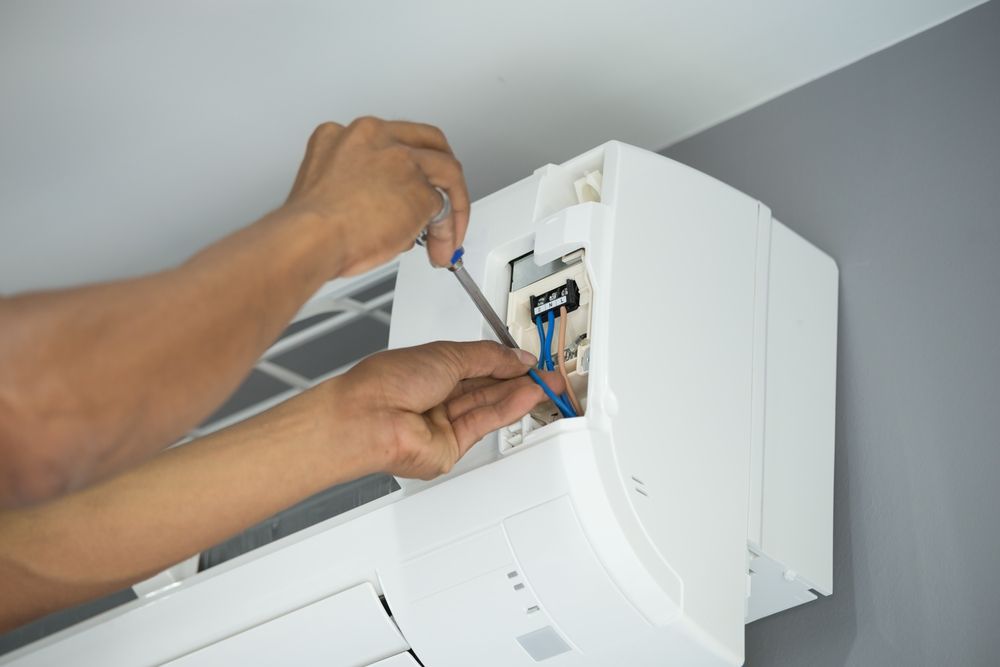
An AC electrical fault can put people and property at risk, even if the unit still runs. Damaged wiring and loose connections can cause electric shock or overheating. Getting the air conditioner running again does not always mean the fault has been fixed.
A licensed electrician can assess whether the problem involves the unit, its connections or the circuit supplying it. The work needs to address the cause and include appropriate safety testing before the equipment returns to use.
Choosing someone with the right licence matters because they can:
- Carry out the electrical work their licence allows
- Assess whether the repair also needs someone licensed to handle refrigerant
- Explain what has been repaired and whether further work is needed
You should leave electrical repairs to an appropriately licensed person, even when the problem appears minor.
The Electrical Faults Most Likely to Affect Your Air Conditioner
Several electrical problems can stop an air conditioner from working. These include:
- A tripped circuit breaker
- Blown fuses
- Faulty wiring or loose connections
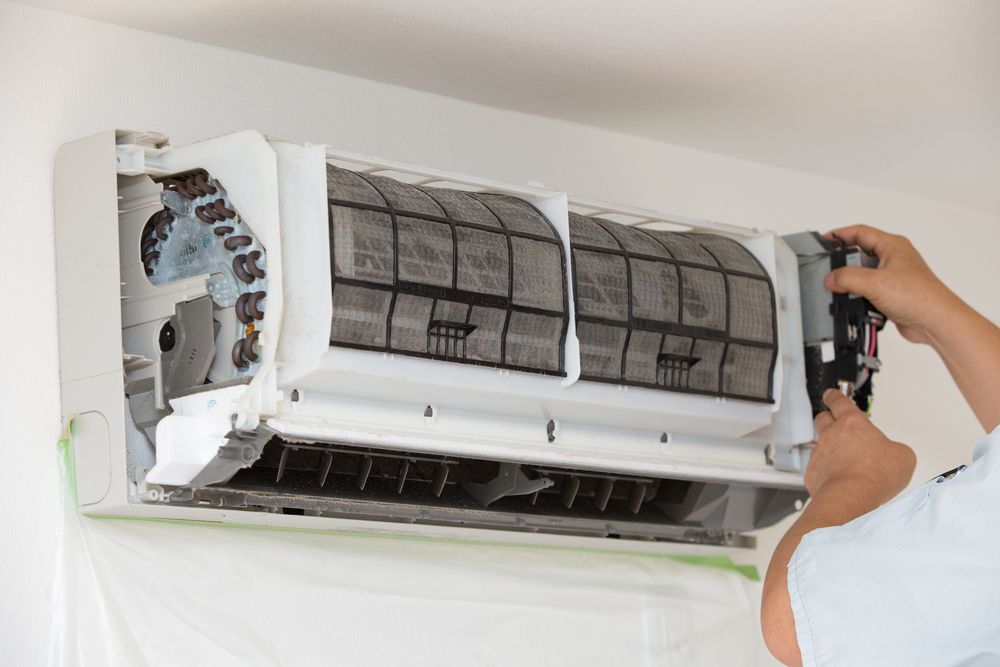
- Damaged electrical components inside the unit
The same symptom can have different causes. A breaker that trips, for example, does not tell you which part needs repairing. Repeatedly resetting it will not fix the underlying problem.
Our guide to AC power issues explains warning signs and fault finding in more detail. If repairs are needed, check that the person attending holds the relevant licences before work begins.
What “Licensed” Really Means for Air Conditioning Work
Air conditioning repairs can involve both electrical work and refrigerant work. These have separate licensing requirements, so an electrical licence does not automatically cover refrigerant handling, or the other way around.
The main credentials to understand are:
- An electrical licence: This must cover the electrical tasks involved, such as repairing wiring, making connections or working on electrical components
- A Refrigerant Handling Licence: Issued through the Australian Refrigeration Council, this covers work involving fluorocarbon refrigerant, or components where the work could release it
The type of licence matters too. Some refrigerant licences cover particular installation and decommissioning tasks rather than general repairs. Electrical licences can also have restrictions, so ask whether the licence covers the actual job.
For example, a repair that involves damaged supply wiring and a refrigerant leak needs both types of work addressed. One person may hold the relevant credentials, or different licensed workers may handle each part.
A business may also hold a Refrigerant Trading Authorisation, which covers activities such as acquiring and storing regulated refrigerant. This is separate from the individual technician’s Refrigerant Handling Licence. When checking credentials, ask about both the business and the person doing the work.
The Hidden Costs of DIY and Unlicensed Repairs
A repair can become more expensive when someone has to check or redo earlier work. The unit might start cooling again while damaged wiring or an unsuitable connection remains. Another technician may then need to assess those changes before completing the repair.
Checking licences upfront helps you avoid problems such as:
- Paying for work that needs correcting
- Booking someone whose refrigerant licence does not cover repairs
- Arranging another visit because the electrical work needs a different trade
- Finishing the job without a clear record of what was done
The same care applies to AC installation. Before connecting a new or replacement system, an electrician needs to assess the electrical supply requirements, including whether a dedicated circuit is needed. Existing wiring should not be assumed suitable simply because it supplied the old unit.
When comparing quotes, ask what the price includes. A clear breakdown of electrical work, refrigerant work and completion documents helps you understand what you are paying for.
How to Check You’re Hiring a Qualified Technician
You do not need technical knowledge to check a repairer’s credentials. Start by asking for licence numbers and confirming that they are current and suitable for the work.
Before agreeing to the job:
- Ask for the electrical licence number: Check the worker’s status and licence class through the NT Government’s electrical worker licence search
- Ask for the refrigerant licence number: If refrigerant work is involved, use ARC’s licence-check service and confirm the licence covers the proposed repair
- Check the business’s electrical contractor licence: This is separate from the licence held by the person carrying out the electrical work
- Confirm insurance: Ask for current evidence of public liability insurance that covers the work
- Discuss the paperwork: Ask what service records and compliance documents you will receive after completion
If more than one technician will attend, confirm who will handle each part of the repair. A business authorisation number alone does not confirm that every worker holds the required individual licence.
Keep the invoice, repair report and any required electrical certificate of compliance after the job. Ask the contractor which certificates apply, as the paperwork requirements depend on the work performed.
Why Licensed Repairs Matter More in Central Australia
When your air conditioner in Alice Springs runs for long hours through summer, a breakdown can quickly disrupt your household or business. Local conditions make it especially useful to arrange someone who can assess the problem and carry out the work their licence covers.
Several factors deserve attention:
- High heat loads: Hot outdoor conditions increase the cooling demand on a building
- Long run times: Extended use makes dependable equipment and a suitable electrical supply important
- Dust: Buildup in filters and coils can restrict airflow and affect cooling performance
- Remote properties: Travel distances make it worth confirming the required trades and likely work before a visit
- Several rental properties: Landlords need clear records of repairs and applicable certificates for each address
These factors do not mean every cooling problem is electrical. Poor airflow, electrical faults and refrigerant problems can require different work. Confirming the technician’s qualifications helps you arrange the right person for the tasks involved.
For a remote booking, provide the unit’s make, model and symptoms if available. Landlords can also pass on previous repair reports so the technician has useful background before attending.
Licensed Air Conditioning and Electrical Support in Alice Springs
When your air conditioner develops a fault, choosing someone with the right licences matters for both safety and the work involved. Checking credentials before booking helps you confirm who will handle the repair and what documentation you can expect afterwards.
At Steve’s Electrix & Communications, we bring more than two decades of local experience to residential, commercial and industrial work. We are ARCtick accredited and hold Refrigerant Trading Authorisation No. AU33610. Emergency call-outs are also available.
For Alice Springs air conditioning services, get in touch with us to discuss your repair needs and arrange a visit.
FAQs