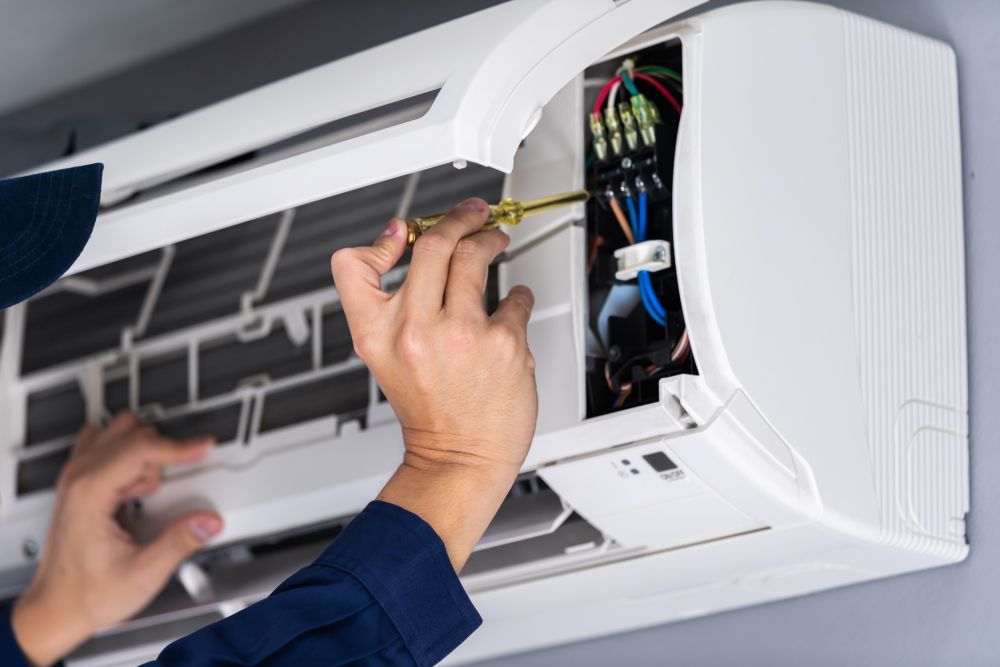
Multi-Zone AC Installation Services For Residential And Commercial Properties
Alice Springs summers don't leave much room for a cooling system that only does one temperature for the whole property. Multi-zone air conditioning Alice Springs homeowners and business owners are increasingly asking about solves a specific problem: different rooms need different temperatures, and running one system flat-out to satisfy all of them wastes energy and still leaves some areas too hot or too cold.
Quick Answer: What Is A Multi-Zone AC System?
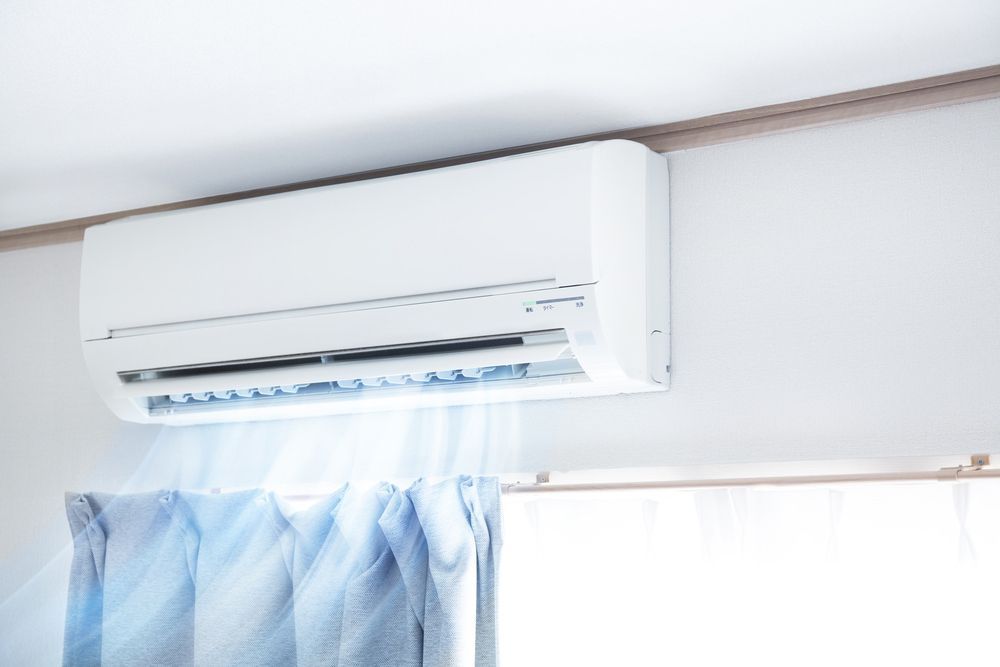
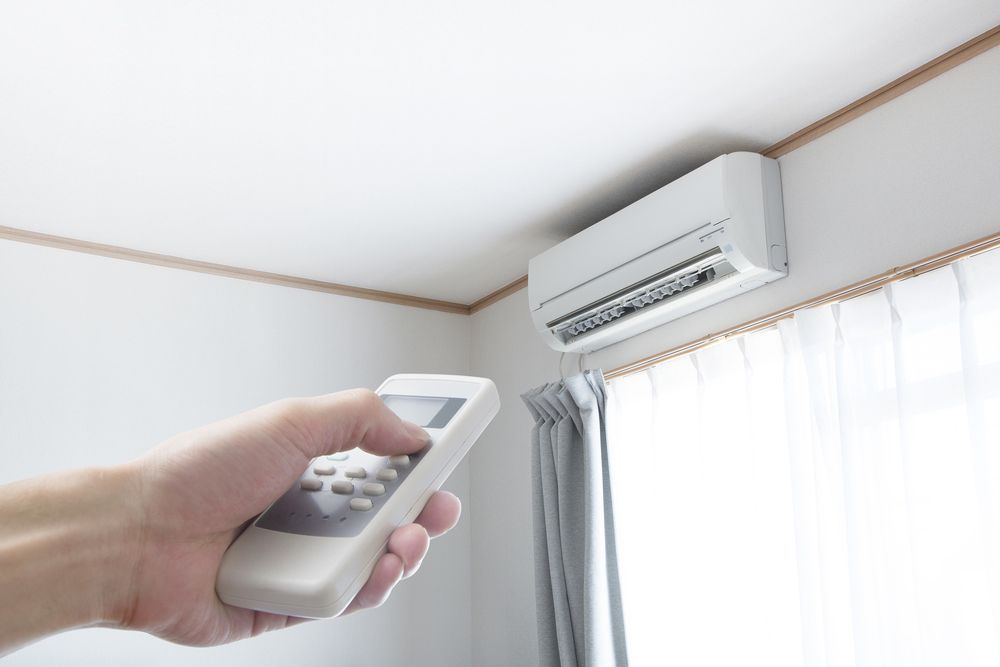
A multi-zone system uses a single outdoor unit connected to multiple indoor units, each controlling the temperature of its own area independently. That means the main bedroom can run cooler overnight while the living areas sit at a different setting during the day, or in a commercial building, a reception area and a server room can be climate-controlled separately without needing two entirely separate systems. It's a different approach to a standard single-zone air conditioner alice springs properties have typically relied on, and it's built specifically for spaces where one setting doesn't suit every room.
Why Multi-Zone Air Conditioning Suits Alice Springs Properties
Alice Springs deals with extreme heat through summer and a wide temperature swing between day and night, which is exactly the kind of climate multi-zone systems are designed for. A living area facing full afternoon sun needs far more cooling capacity than a shaded bedroom on the other side of the house, and a single-zone system has no way to treat them differently — it's either overcooling one area or undercooling another.
For landlords managing multi-unit properties, business owners running an office, or anyone with a home that gets used unevenly through the day, that flexibility translates directly into comfort and cost. Rooms that aren't in use don't need to be cooled to the same degree as the ones that are, and a multi-zone setup lets you make that call room by room instead of accepting a single compromise setting for the whole property.
How Multi-Zone Systems Are Installed
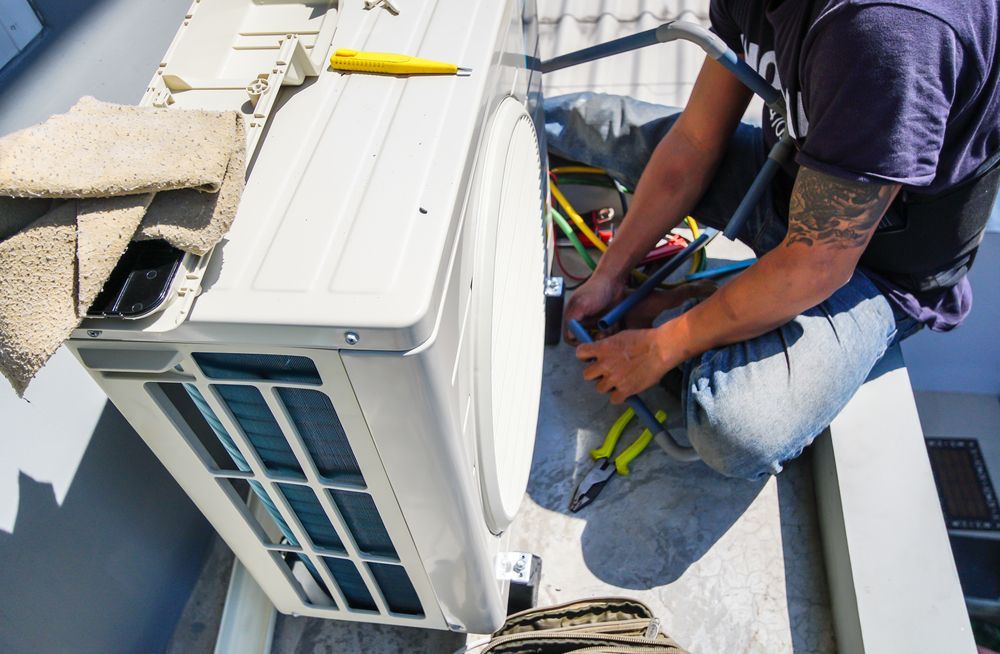
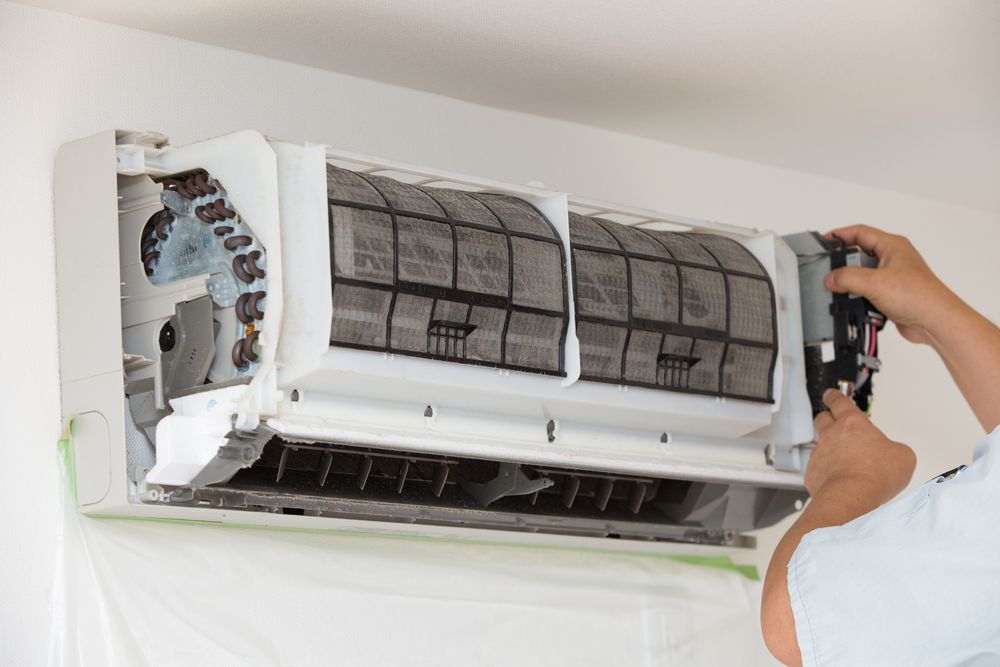
Multi-zone installation is a more involved job than fitting a single split system, because it means planning ductwork or refrigerant line runs to multiple indoor units, sizing the outdoor unit correctly for the combined load, and making sure the electrical supply can handle it. Each zone needs its own refrigerant line run back to the outdoor unit, and those runs have to be planned around the building's layout rather than added on as an afterthought.
Get the planning wrong and the result is a system that's either underpowered for some zones or drawing more electrical load than the property's wiring is rated for — both of which show up later as uneven cooling, higher running costs, or a system that trips out under demand. This is why a proper site assessment before installation matters as much as the equipment itself.
Why Licensed Installation Matters
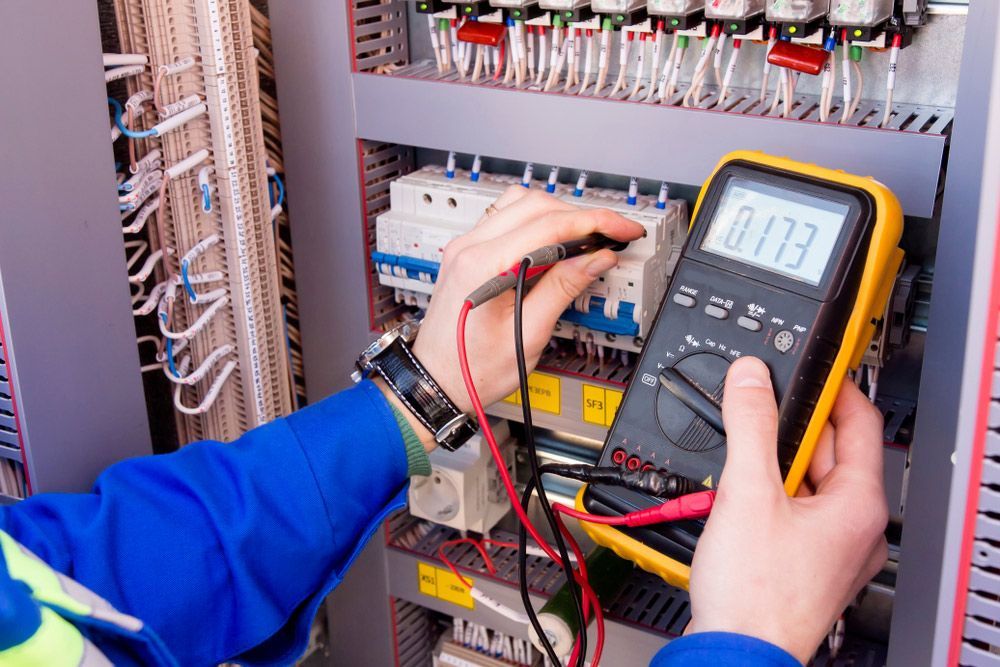
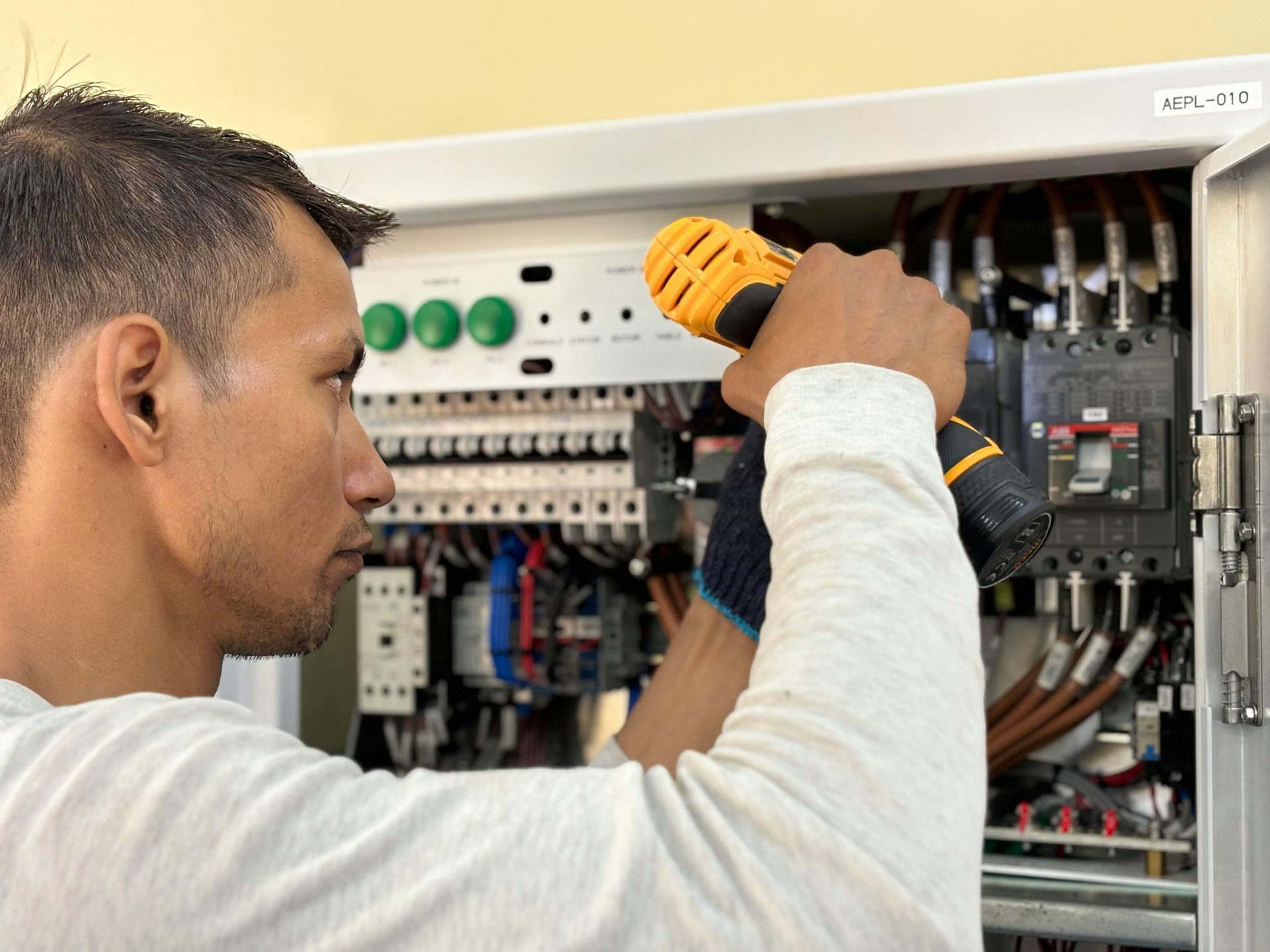
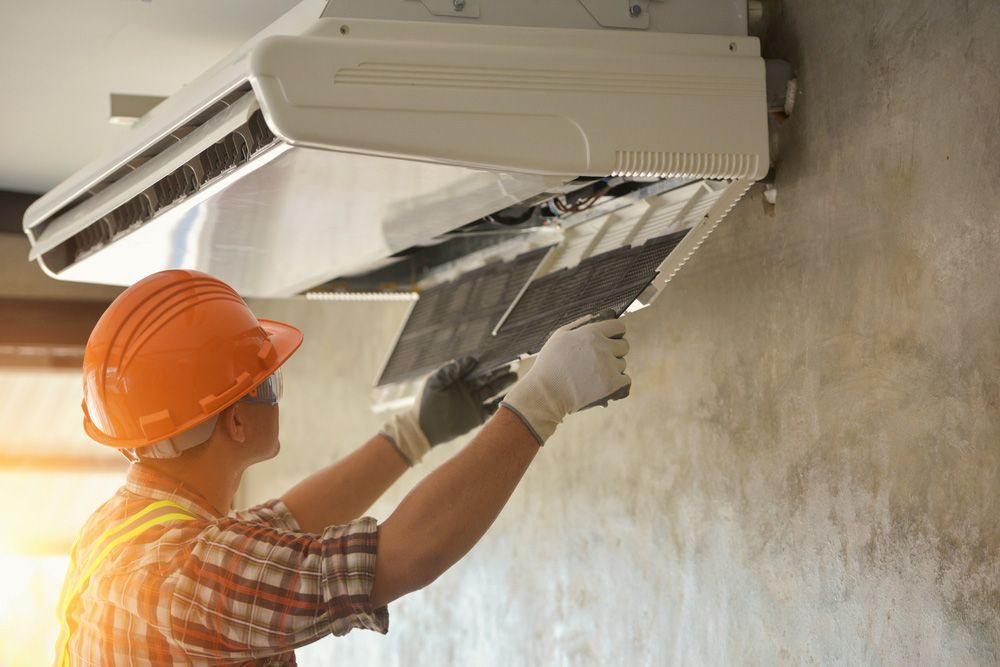
Multi-zone systems carry higher electrical demands than a single split system, and that's not a job to hand to anyone without the right licensing. A licensed electrician or HVAC professional manages the higher electrical load correctly, ensures the installation meets local regulations, and sizes the system so every zone gets the capacity it needs without overloading the circuit it's connected to.
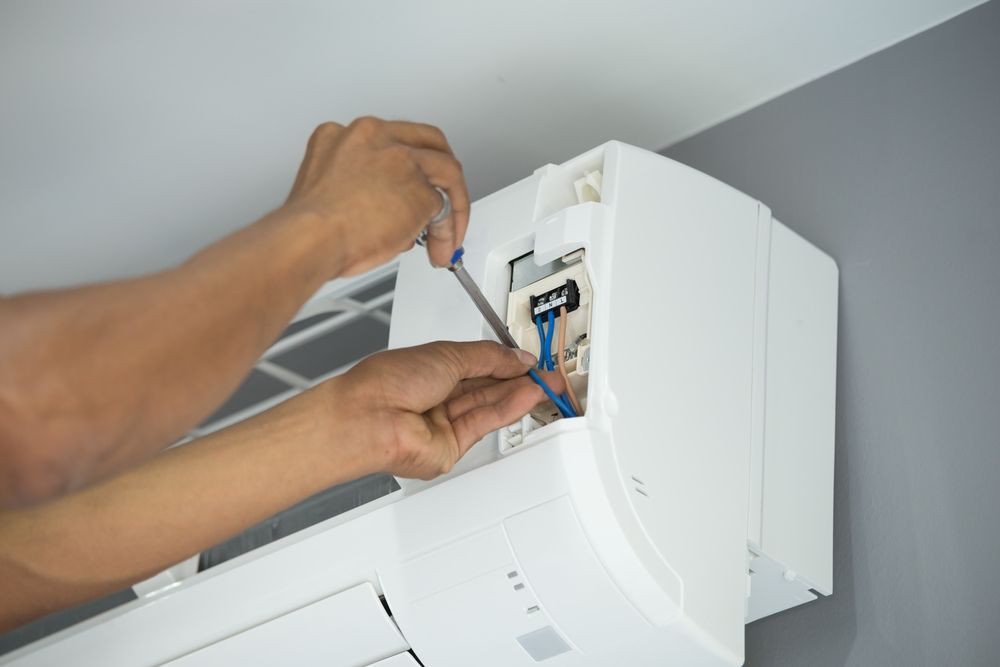
There's also a compliance side to it — refrigerant handling, electrical connections and safety switches all need to be done to the relevant Australian standards, not just wired up to work. Getting AC installation done by a licensed professional is the difference between a system that runs safely for years and one that creates a fault risk down the line.
Multi-Zone For Homes Vs Multi-Unit And Commercial Properties
In a home, multi-zone AC usually means matching zones to how the house is actually used — bedrooms on one setting overnight, living areas on another through the day, and a home office that might need to run independently of the rest of the house. For landlords with multi-unit properties, it can mean separating zones by unit or by tenancy, giving each area its own control without needing a full separate system per unit.
Commercial properties bring a different set of demands. An office might need consistent, moderate cooling throughout business hours, while a server room or storage area needs its own dedicated zone regardless of what the rest of the building is doing. A well-planned multi-zone system handles both without forcing one compromise setting across the whole building.
Energy Savings And Long-Term Efficiency
Because each zone only cools or heats when and where it's needed, multi-zone systems typically use less energy overall than running a single large system to condition an entire property uniformly. That's a meaningful saving in a climate like Alice Springs, where summer cooling can be one of the largest running costs a property carries.
Proper installation also protects the system long-term. Correctly sized zones and refrigerant runs mean the system isn't working harder than it needs to in any one area, which reduces wear, cuts down on frequent repairs, and helps the whole setup run efficiently for years rather than needing early intervention because one zone was undersized from the start.
Getting Multi-Zone Air Conditioning Installed Properly
A multi-zone system is only as good as its installation. The equipment can be right for the property and still underperform if the ductwork, refrigerant lines and electrical planning weren't matched to how the space is actually used. For Alice Springs air conditioning services that account for the local climate and the property's actual layout, working with a licensed installer from the planning stage — not just the install day — is what determines whether the system delivers the comfort and efficiency it's designed for.
FAQs