Evaporative Cooling Or Split System? A Guide To Air Conditioning In Alice Springs’ Desert Climate
Trying to decide between evaporative cooling and a split system for your Alice Springs home? With scorching summer days and chilly winter nights, choosing the right cooling system can make a big difference to your comfort. Evaporative cooling works well in dry conditions, while split systems offer more control over indoor temperatures and the added benefit of heating.
Here's what you need to know about how each system works, their running costs and which option might suit your home best.
How Does Evaporative Cooling Work?
Evaporative cooling uses water evaporation to cool incoming air. A fan draws warm outdoor air through wet cooling pads, lowering its temperature before distributing it throughout the home.
Unlike refrigerated air conditioning, evaporative systems continuously introduce fresh air. Windows or vents must remain partially open to allow warm air to escape.
The system uses three main components:
- Cooling pads: Hold water for evaporation.
- Water pump: Keeps the pads wet.
- Fan: Circulates cooled air throughout the home.
Because evaporation works best in dry conditions, outdoor humidity directly affects cooling performance.
Does Evaporative Cooling Use Gas?
No, standard residential evaporative coolers do not use natural gas or LPG. They use electricity to power a fan and water pump, alongside water for cooling.
This differs from refrigerated systems, which use a compressor and refrigerant to transfer heat.
Although evaporative coolers generally consume less electricity, they require water during operation. Both utilities should be considered when comparing running costs.
How Does a Split System Cool Differently?
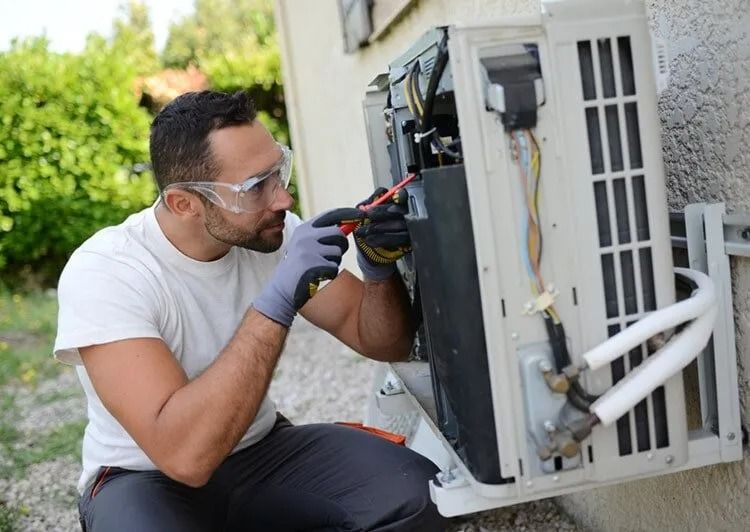
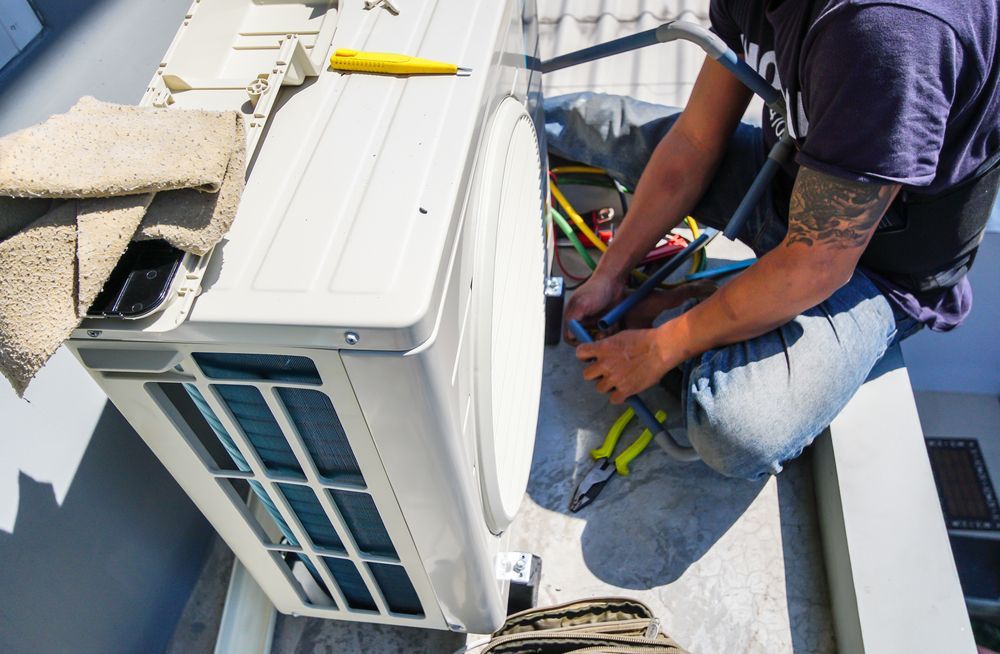
A split-system air conditioner uses refrigerant to remove heat from indoor air and release it outside.
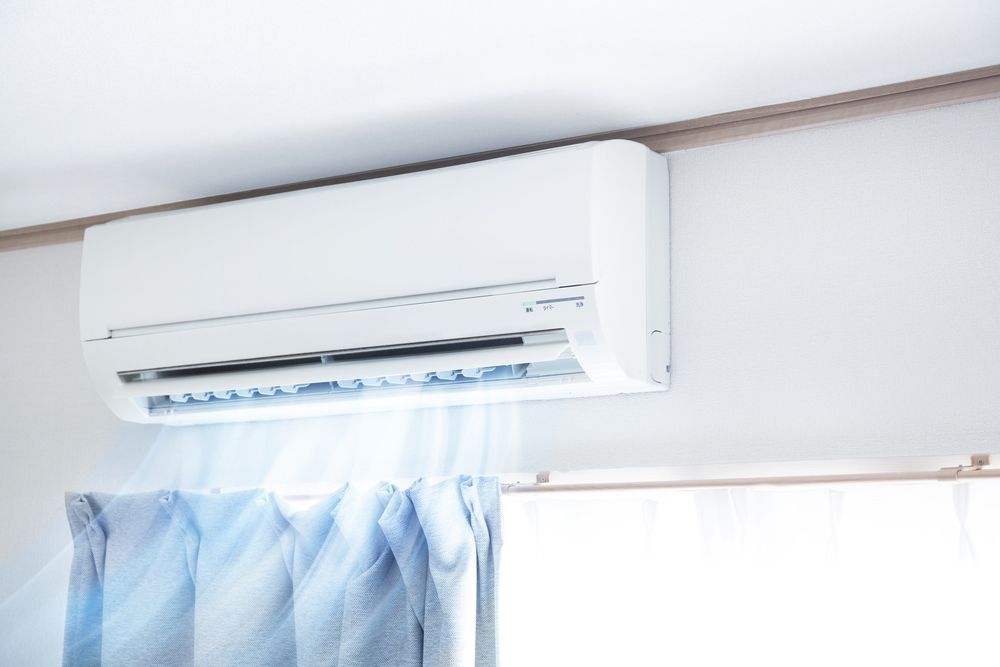
The indoor unit circulates cooled air, while the outdoor unit transfers heat away. Unlike evaporative cooling, split systems maintain more consistent temperatures across different humidity conditions. They also operate with windows and doors closed, making them suitable for individual rooms.
Why Is Reverse-Cycle Heating Useful?
Reverse-cycle split systems provide both heating and cooling, which is particularly useful in Alice Springs, where hot summers contrast with cold winter nights. Instead of installing separate appliances, homeowners can use one system throughout the year.
Why Alice Springs’ Dry Air Suits Evaporative Cooling
Alice Springs’ desert climate creates favourable conditions for evaporative cooling because outdoor humidity is often low. Dry air absorbs moisture readily, allowing water to evaporate efficiently from the cooling pads. This lowers the temperature of incoming air. However, when humidity increases, evaporation becomes less effective.
According to the US Department of Energy, evaporative coolers are best suited to low-humidity climates and generally cannot achieve the same low indoor temperatures as refrigerated air conditioners. Home insulation, ventilation and maintenance also influence performance. Even in dry conditions, restricted airflow or poorly maintained pads can reduce cooling effectiveness.
Is Evaporative Cooling Good? The Pros and Trade-Offs
Yes, evaporative cooling can be effective and economical in dry climates like Alice Springs. However, its performance depends on weather conditions and proper ventilation.
What Are the Benefits?
- Lower electricity demand: Fans and pumps generally consume less electricity than refrigerated compressors.
- Fresh airflow: Outdoor air continuously circulates through the home.
- Whole-home cooling: Ducted systems can distribute air across multiple rooms.
- Dry-climate suitability: Low humidity supports effective evaporation.
What Are the Drawbacks?
Evaporative cooling becomes less effective during humid weather. It also requires open windows or vents, which may be inconvenient during dusty conditions.
Water consumption is another consideration, particularly during extended summer use.
Unlike split systems, evaporative coolers cannot provide precise temperature control or reverse-cycle heating.
When a Split System Makes More Sense
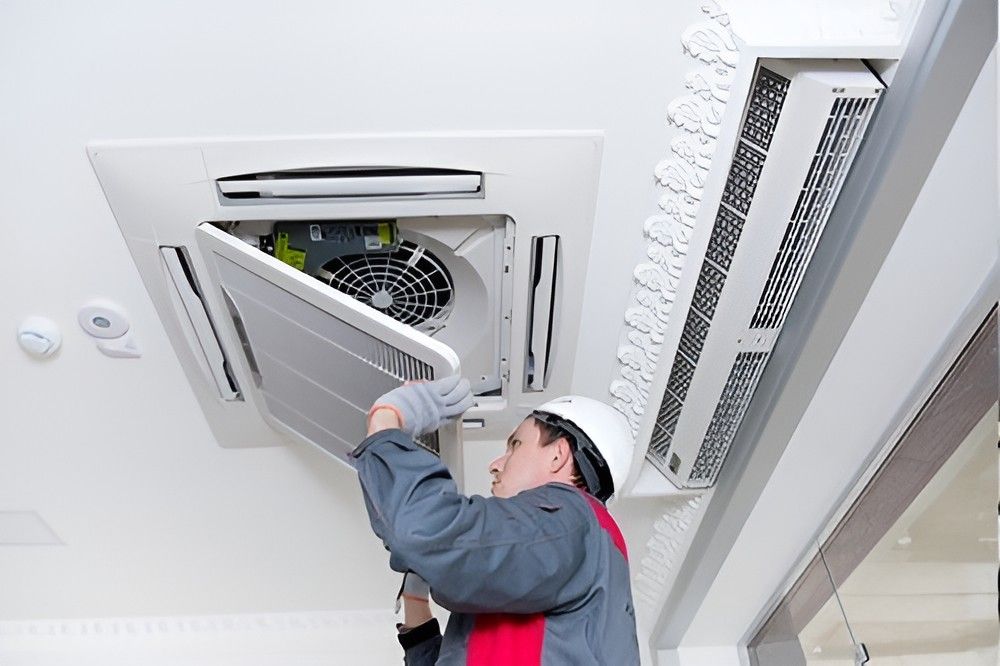
A split system may be preferable when consistent cooling, individual room control or winter heating is important. It works particularly well in bedrooms, living areas and home offices where maintaining a selected temperature matters.
Which Homes Benefit Most?
Consider a split system if:
- You mainly need to cool one or two rooms.
- You prefer keeping windows closed.
- You want heating during winter.
- You need precise temperature control.
- Your property lacks evaporative ductwork.
For example, an older Alice Springs home without existing ducts may be easier to equip with a wall-mounted split system than a new whole-home evaporative setup.
However, suitability depends on the building's layout and electrical infrastructure.
Running Costs, Water Use and Maintenance Compared
Both cooling systems have ongoing expenses, but they use electricity and water differently. Understanding these differences can help you compare long-term operating costs.
How Do Running Costs Compare?
Evaporative coolers generally use less electricity because they rely on a fan and water pump rather than a refrigerant compressor. However, they require a continuous water supply during operation.
Sustainability Victoria notes that ducted evaporative systems can consume substantial water during hot summers. Split systems use more electricity when cooling, but their running costs depend on energy efficiency, thermostat settings and operating hours.
What Maintenance Does Each System Need?
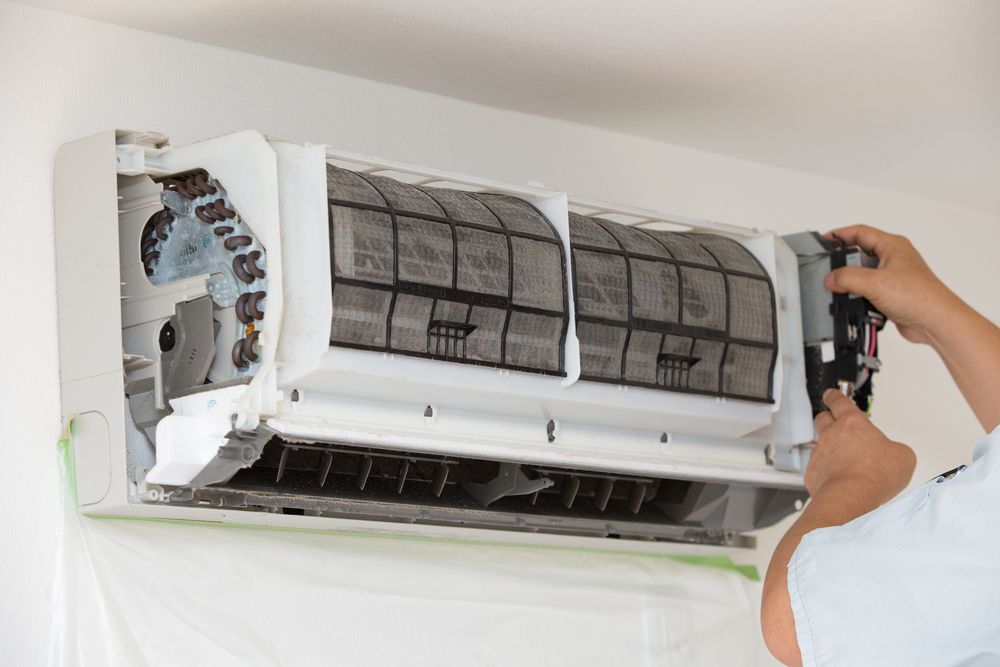
Evaporative coolers require regular cleaning, cooling pad inspections and checks of the water pump and distribution system. Split systems need filter cleaning, drainage checks and periodic professional servicing to maintain performance.
Neither option is automatically cheaper overall. Installation requirements, water consumption, electricity use and maintenance all influence long-term costs.
Wiring and Power Supply: What Changes Between the Two Systems
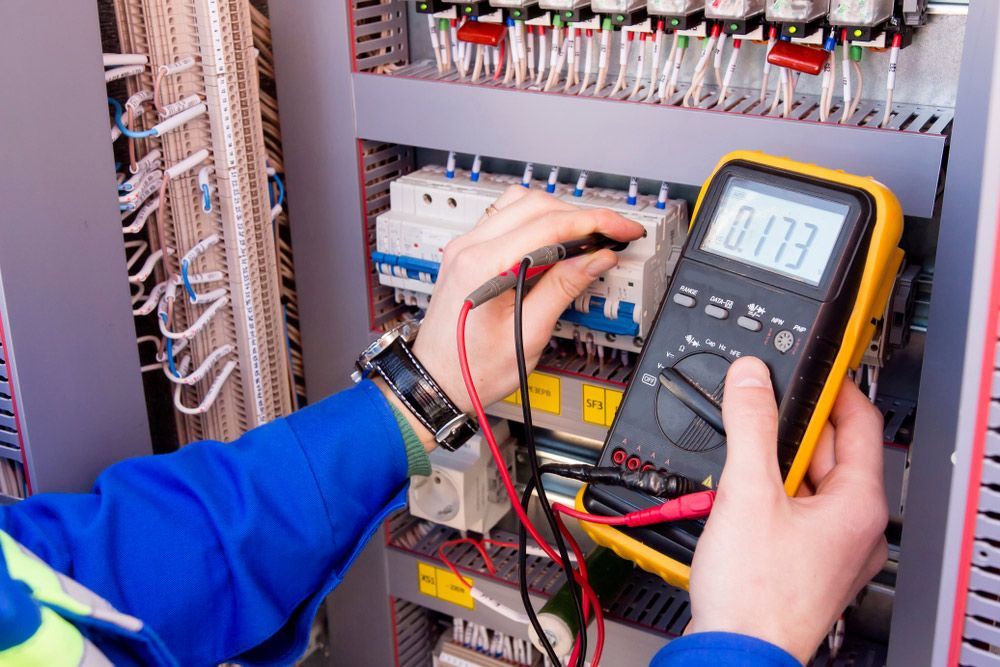
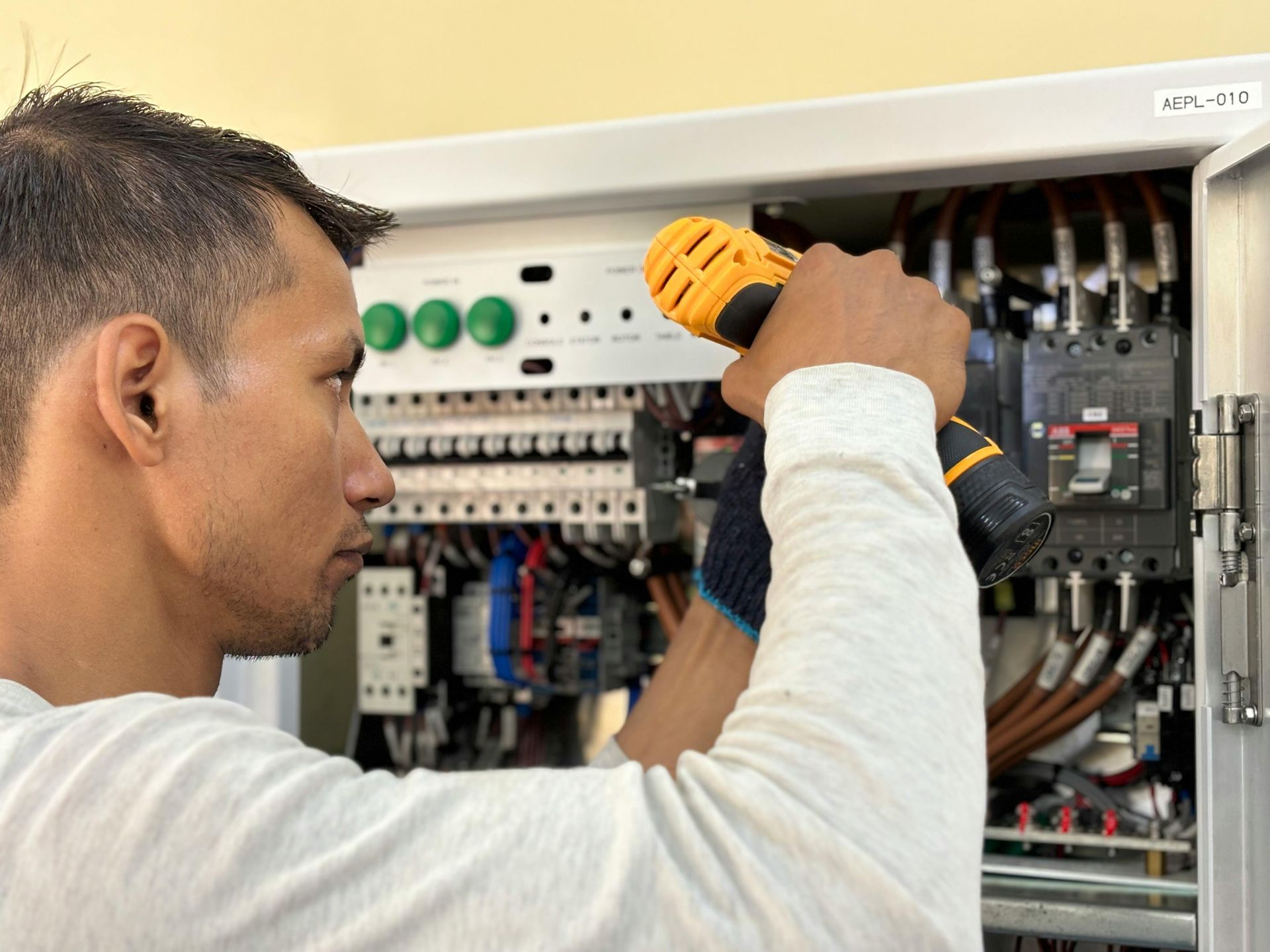
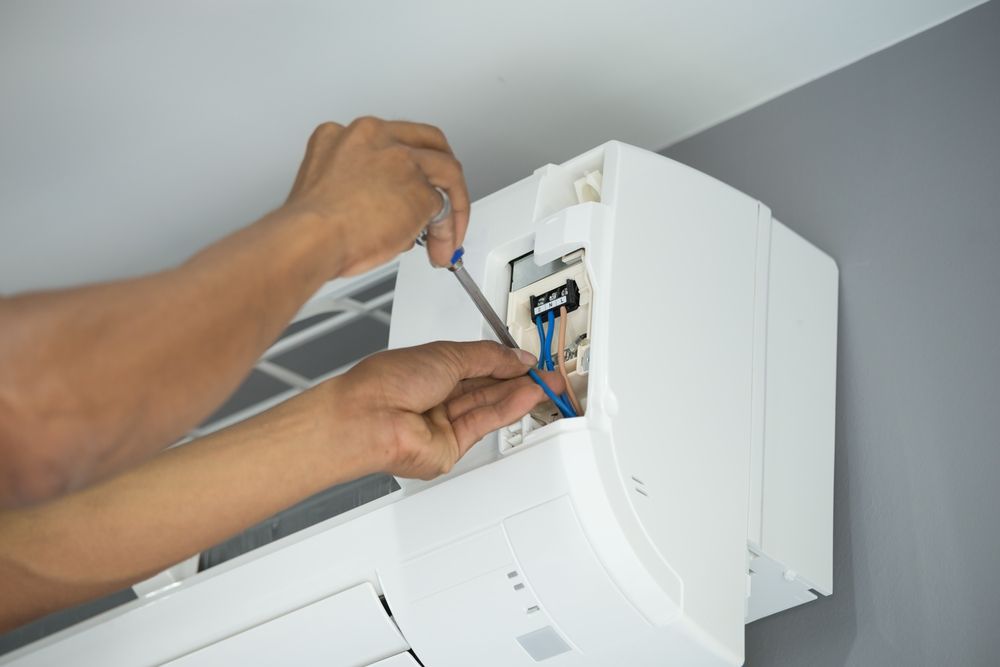
Evaporative coolers primarily power a fan and water pump, while split systems also operate a compressor. A split system may require a dedicated circuit, suitable protection and sufficient switchboard capacity. Compressor startup characteristics influence electrical requirements.
Evaporative systems also need appropriate wiring, alongside water and drainage connections. A licensed electrician should inspect the existing electrical supply before installation, particularly in older homes. Homeowners considering electrical services in Alice Springs can arrange an assessment to identify potential upgrades.
Existing faults should also be addressed beforehand, and our guide to
power faults behind a struggling air conditioner explains how electrical problems can resemble cooling faults.
Which Option Suits Older Alice Springs Homes?
Older homes may have ageing wiring, limited switchboard capacity or no existing cooling infrastructure. A ducted evaporative system requires suitable roof space, ducts, ventilation pathways and water connections. A split system needs indoor and outdoor unit locations, refrigerant pipework, drainage and electrical connections.
What Should You Check Before Installing?
Consider these factors:
- Existing infrastructure: Are suitable wiring and ducts already available?
- Cooling needs: Do you need whole-home or individual room cooling?
- Insulation: Can your home maintain comfortable temperatures?
- Water availability: Can the property support evaporative cooling?
- Winter heating: Would reverse-cycle heating be useful?
For example, a home with existing evaporative ductwork may benefit from continuing with that system if it remains serviceable. Alternatively, a smaller property without ducts may suit targeted split-system cooling, and an on-site assessment helps establish the most practical option.
Getting the Right Advice Before You Install
Choosing a cooling system involves more than comparing appliance features. Your electrical supply and existing infrastructure must safely support the equipment.
Steve’s Electrix & Communications provides split-system installations across Central Australia, alongside evaporative cooler servicing and repairs in Alice Springs and remote areas.
With more than two decades of local and regional experience, the team understands desert cooling requirements. The business is ARCtick accredited and holds Refrigerant Trading Authorisation No. AU33610. If you're researching air conditioning in Alice Springs, a professional assessment can help determine which option suits your property. Our domestic electricians in Alice Springs can discuss wiring requirements, switchboard capacity and installation considerations.
Evaporative cooling offers advantages in dry conditions, while split systems provide greater temperature control and winter heating. Your home's infrastructure and comfort needs should guide the decision. If you're planning a new cooling system,
get in touch with
Steve’s Electrix & Communications to discuss your options and arrange an electrical assessment.
FAQs